
Dyspraxia in children: early signs and simple ways to help at home
Clumsy, slow to get dressed or struggling with handwriting? Here are the common signs of dyspraxia (DCD), when to seek advice, and everyday activities that build skills and confidence.
Every child develops at their own pace. But some children find everyday movement tasks (getting dressed, catching a ball, using a knife and fork, writing neatly) much harder than their classmates, even with plenty of practice. For some of these children, the reason is dyspraxia, also called Developmental Coordination Disorder (DCD).
What is dyspraxia?
Dyspraxia is a lifelong neurodevelopmental condition that affects how the brain plans and coordinates movement. It is not caused by low intelligence or lack of effort. Many children with dyspraxia are bright, creative and determined. They simply need more time and the right support to learn motor skills that others pick up easily.
Common signs parents notice
- Early years: late to sit, crawl or walk; difficulty with stacking blocks, puzzles or using a spoon.
- Self-care: struggles with buttons, zips, shoelaces and dressing in the right order.
- Play and sport: finds running, hopping, catching or riding a bike difficult, and may avoid PE or playground games.
- School: slow, effortful or untidy handwriting; trouble copying from the board; difficulty organising belongings.
- Everyday life: bumps into things, spills drinks, and seems tired after physical tasks.
Children may also show frustration, low confidence or reluctance to try new activities. These are understandable reactions when ordinary tasks feel hard.
When to seek advice
If these difficulties are persistent and affect your child at home, in school or with friends, speak to your GP, public health nurse or your child's school. An occupational therapist (OT) can assess motor skills and recommend practical strategies. An assessment does not label a child; it opens the door to the right help.
Simple ways to help at home
- Break tasks into small steps. Teach one part of a task at a time, for example putting on socks before moving on to shoes.
- Practise through play. Obstacle courses, balloon games, playdough, threading beads and cutting with child-safe scissors all build coordination.
- Use routines and picture prompts. A visual checklist for getting dressed or packing a school bag reduces stress and builds independence.
- Allow extra time. Rushing makes movement harder, so start morning routines a little earlier.
- Choose helpful tools. Pencil grips, elastic laces, slip-on shoes and non-slip mats can make a big difference.
- Praise effort, not perfection. Celebrate progress and focus on what your child can do.
Talking to your child about dyspraxia
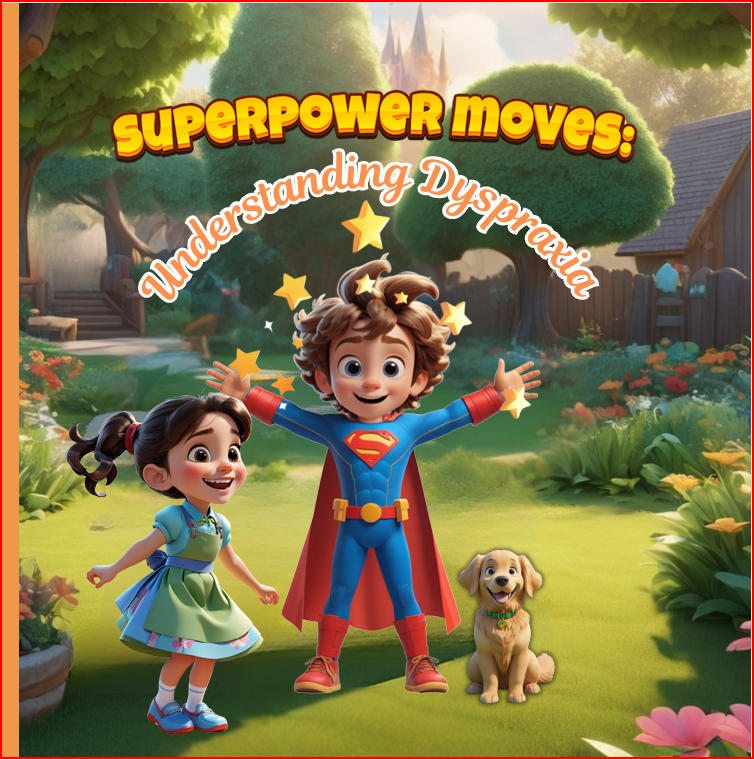
Children often feel relieved when they understand why some things are harder for them. Stories are a gentle way to start that conversation. Our picture book Superpower Moves: Understanding Dyspraxia helps children recognise their strengths and talk about their challenges, while Dyspraxia Decoded explains the condition in more depth for parents and educators.
Want a clearer picture?
If you are unsure whether your child's difficulties need attention, the Locus Thrive App offers parent-guided developmental screening and home activities designed with occupational therapists. It supports, but does not replace, a professional assessment.
Superpower Moves: Understanding Dyspraxia
A storybook that helps children with dyspraxia understand, celebrate and talk about their strengths and challenges.
View on Amazon ↗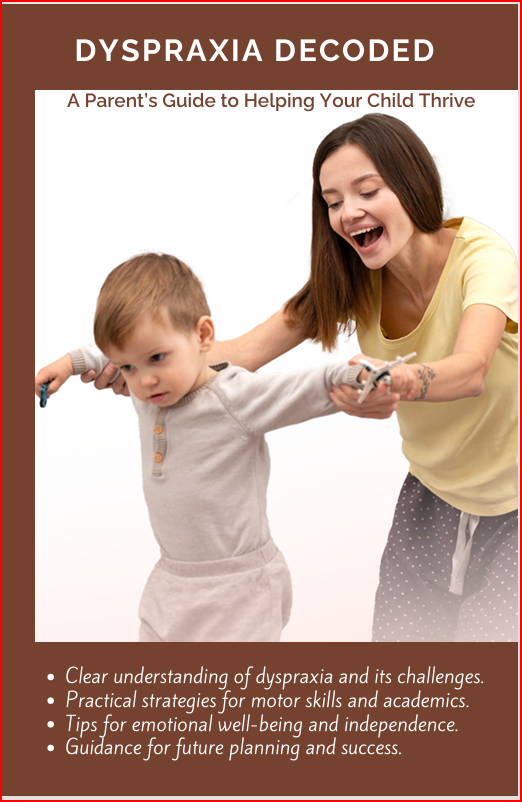
This article is for general information only and does not replace advice from a qualified health or care professional.